
Educational exploration of plant-derived elements and their role in vitality
As men age, particularly beyond 40 years, natural changes occur in metabolism, energy patterns, and overall well-being. From a nutritional and scientific perspective, understanding how dietary components influence general vitality becomes increasingly relevant. This section explores these processes from an informational viewpoint, grounded in scientific principles rather than medical claims.
Natural aging processes involve changes in hormone metabolism, nutrient absorption efficiency, and the body's adaptation to environmental factors. A balanced approach to nutrition—incorporating diverse plant-derived compounds—has been observed throughout history and across cultures as a fundamental aspect of wellness practices.
Throughout history, various plant compounds have been studied for their potential role in supporting general wellness. The following botanical elements represent commonly discussed species in educational and scientific contexts:
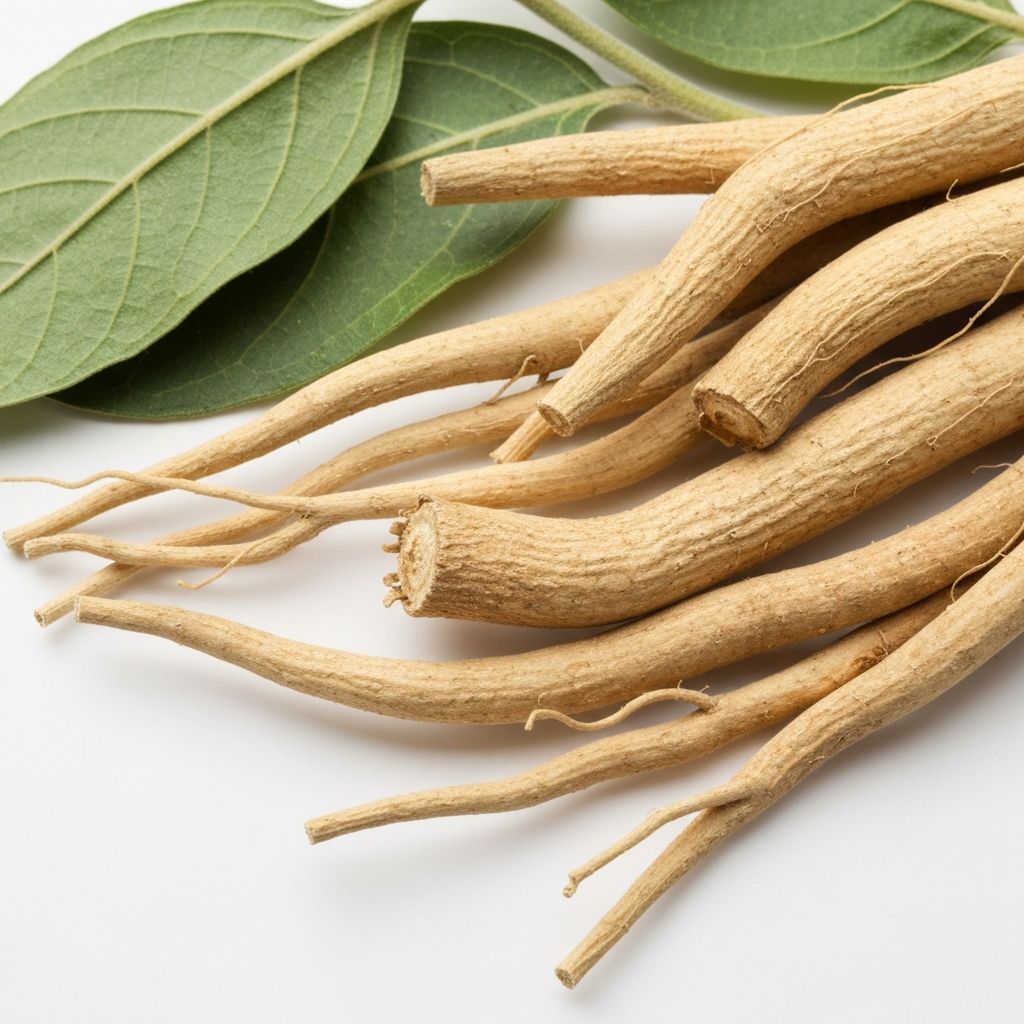
An adaptogenic herb with roots in traditional Ayurvedic practice. Studied for its potential influence on stress responses and general resilience. Contains withanolides, compounds of scientific interest in nutritional research.
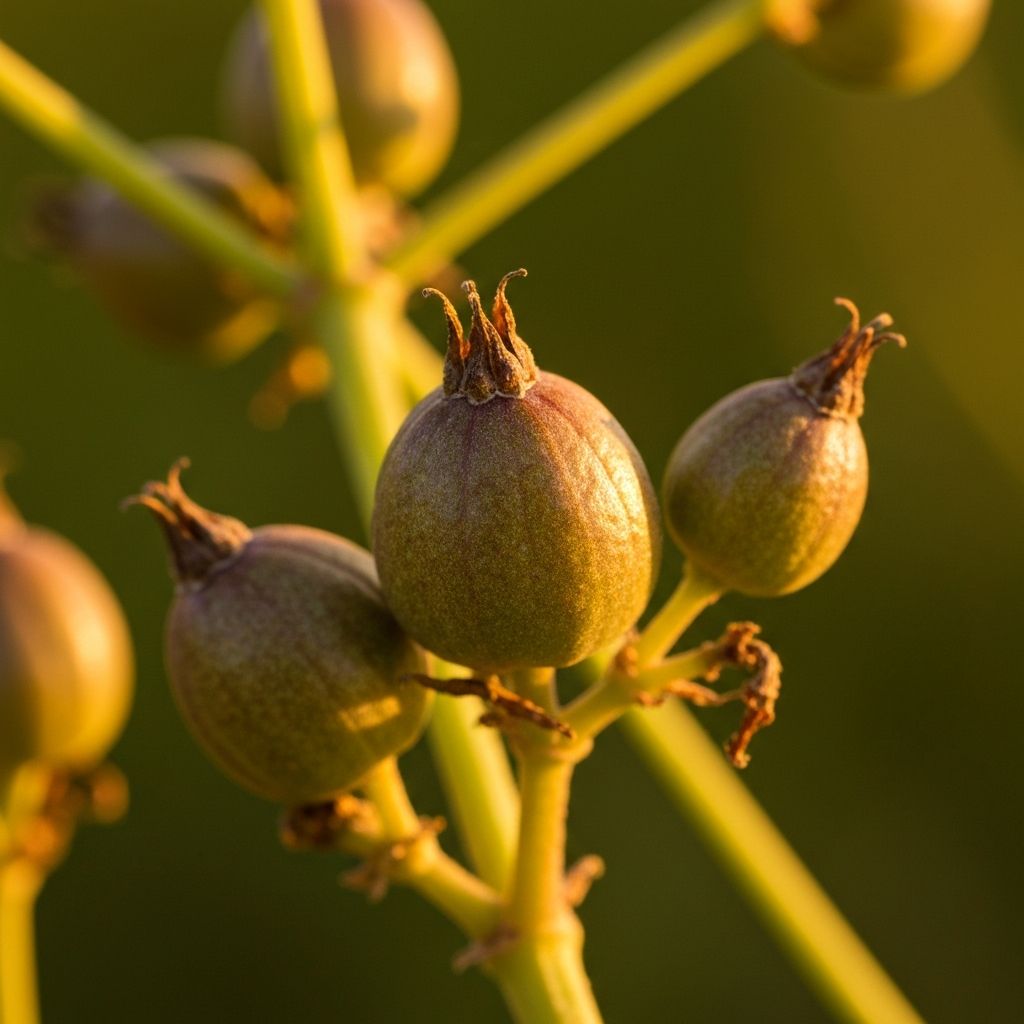
A plant traditionally used in various cultures for nutritional support. Contemporary research explores its biochemical composition and role in general wellness. Often discussed in contexts of athletic performance and vitality.
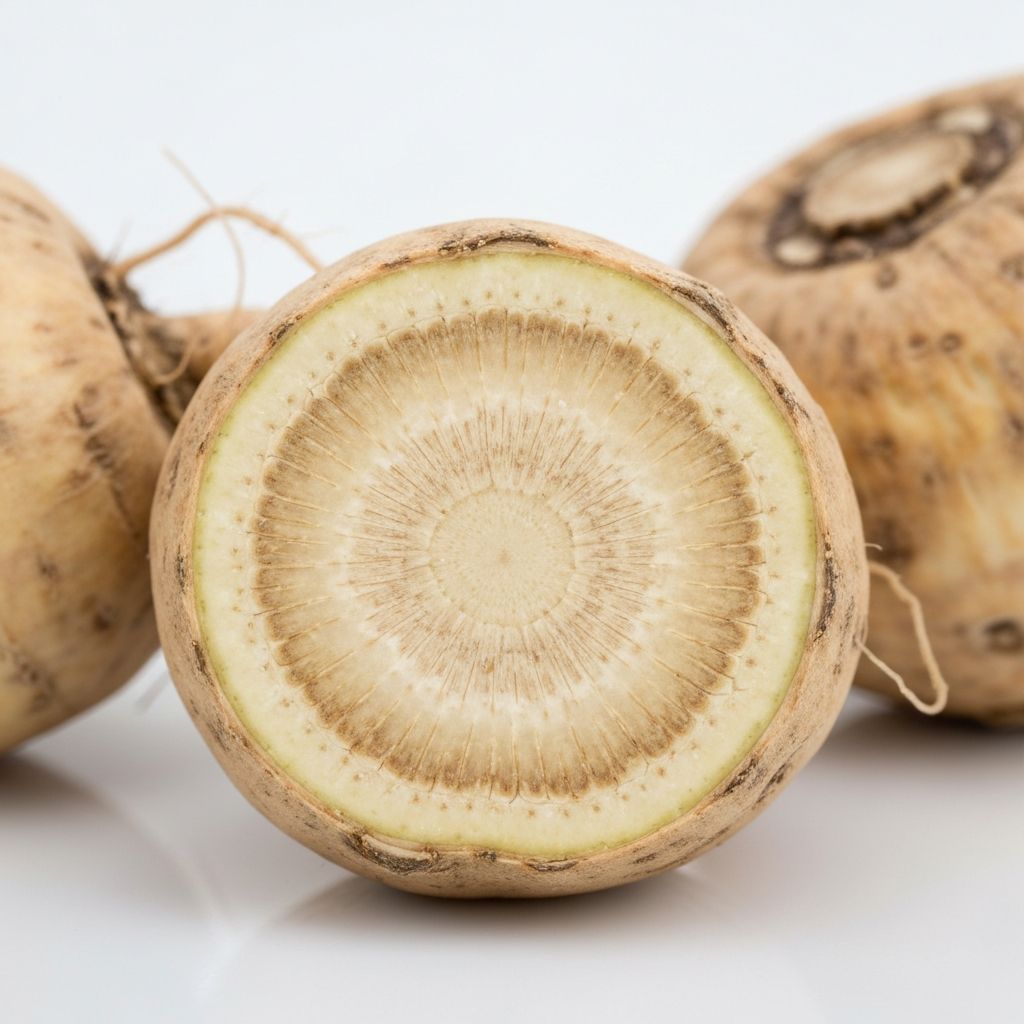
A Peruvian tuber with traditional use spanning centuries. Rich in amino acids, vitamins, and minerals. Part of broader discussions about plant-based nutrition for supporting general well-being and energy.
Plant-based sources provide essential micronutrients that support basic physiological functions. Below is an overview of key nutrients and their commonly recognized natural sources:
| Micronutrient | Plant-Based Sources | General Function |
|---|---|---|
| Zinc | Seeds, nuts, legumes, whole grains | Supports immune function and protein synthesis |
| Magnesium | Dark leafy greens, seeds, nuts, whole grains | Essential for muscle function and energy production |
| Selenium | Brazil nuts, legumes, grains | Acts as an antioxidant in cells |
| Folate | Leafy greens, legumes, asparagus, broccoli | Supports cell division and DNA synthesis |
| Iron | Legumes, seeds, fortified grains, leafy greens | Essential for oxygen transport in blood |
Micronutrients work synergistically within the body. A diverse diet incorporating various plant sources ensures adequate intake of these essential elements. Rather than focusing on isolated compounds, holistic nutrition emphasizes variety and balance.
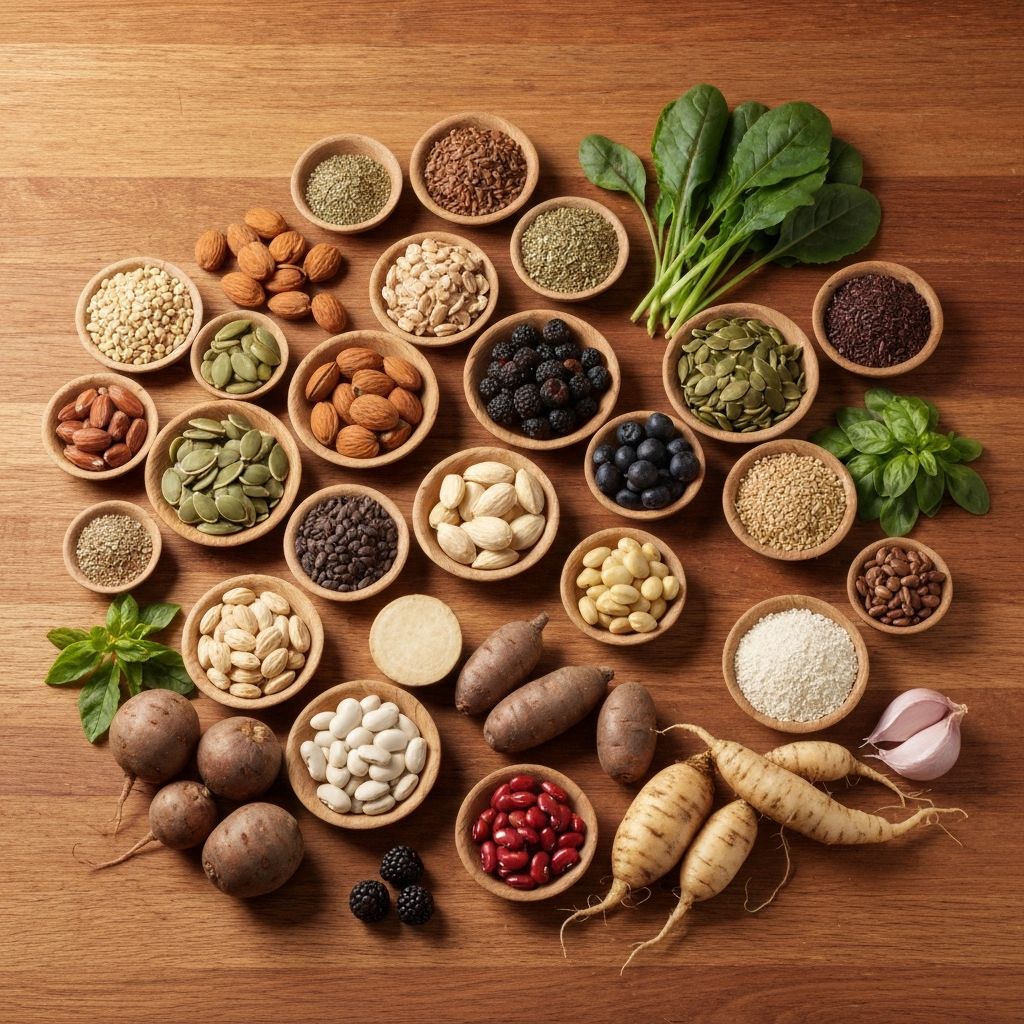
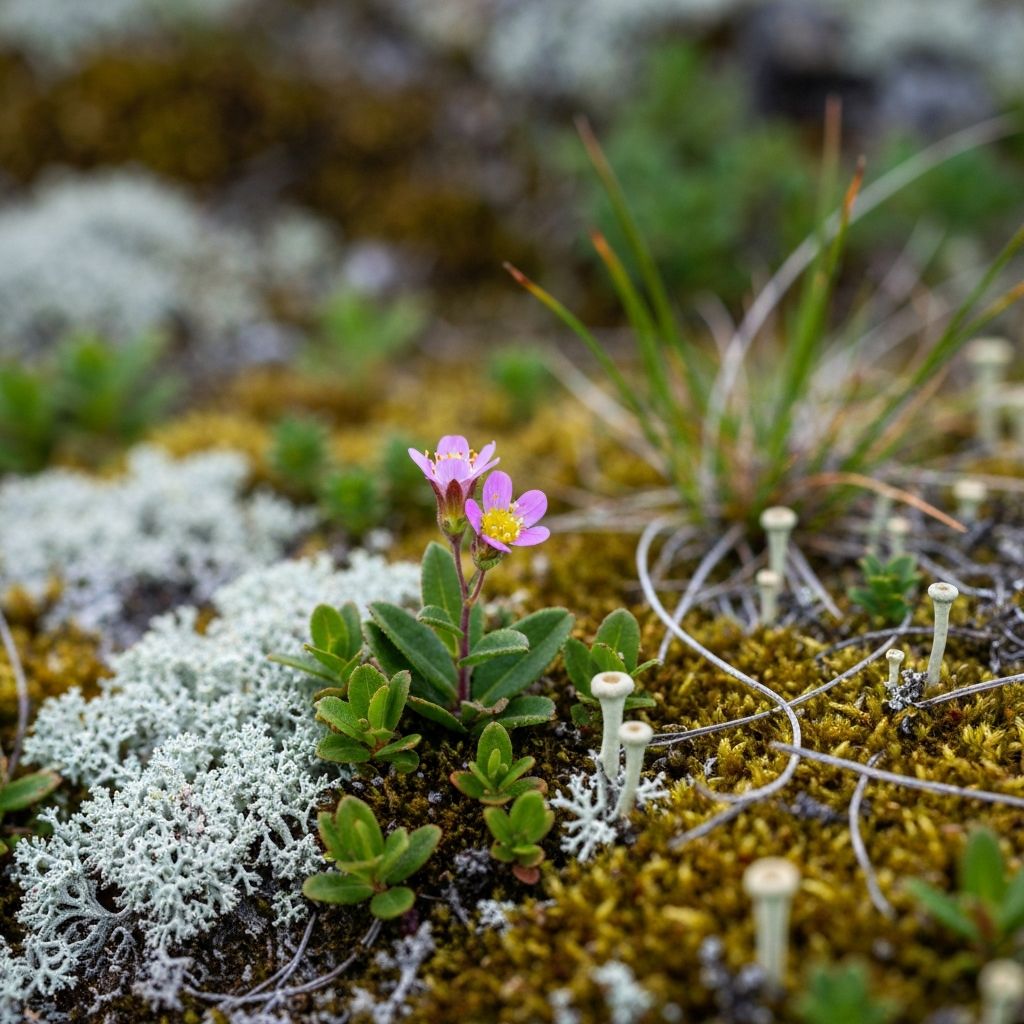
Switzerland's rich botanical tradition reflects centuries of knowledge about local flora. Alpine regions host unique plant species adapted to challenging mountain environments, many of which have been traditionally incorporated into wellness practices.
Traditional Swiss herbalism recognized the value of alpine flora for general vitality and everyday wellness. Plants like arnica, gentian, and yarrow were cultivated and used within cultural wellness practices. This knowledge, passed through generations, reflects a deep understanding of local botanical resources.
Modern scientific inquiry into these traditional practices has documented various compounds within alpine plants. While historical use does not constitute medical evidence, it provides context for understanding why certain botanicals remain subjects of contemporary nutritional research.

Beyond nutritional intake, the broader environment profoundly influences general well-being. Factors such as sleep patterns, physical activity, sunlight exposure, and stress levels interact with dietary practices to shape overall vitality.

The rhythm of daily life—governed by circadian patterns, seasons, and environmental exposure—influences how the body processes and utilizes nutrients. Mountain environments, characterized by clean air, water, and natural light cycles, have traditionally been associated with wellness practices.
Modern research validates what traditional knowledge recognized: the integration of natural rhythms, physical movement, adequate rest, and balanced nutrition creates a comprehensive framework for sustained well-being. No single element operates in isolation.
The scientific community continues to explore relationships between botanical compounds and physiological processes. Below are summaries of select research areas, presented in neutral, informational context:
Population-based research tracking dietary patterns and wellness outcomes provides valuable epidemiological data. These studies reveal correlations between plant-rich diets and positive health metrics, contributing to understanding of nutrition's role in aging.
Laboratory investigations examine how plant compounds interact with cellular mechanisms. Understanding the molecular structure of phytonutrients helps explain their theoretical roles in supporting metabolic processes and cellular resilience.
Contemporary science increasingly values traditional botanical knowledge from diverse cultures. Historical use patterns inform research hypotheses and validate the importance of certain plants in broader wellness contexts.
Misinformation about natural compounds and botanical effects circulates widely. Clarifying these misconceptions is essential for informed decision-making:
While many natural compounds are safe, concentration, dosage, and individual factors matter significantly. Natural does not equate to risk-free; responsible consumption respects individual variations and professional guidance.
Well-being develops through consistent practices over time. Nutritional and botanical support works as part of a holistic lifestyle. Expecting rapid transformation contradicts both scientific understanding and historical practice patterns.
Individual variation in metabolism, genetics, and lifestyle means responses to botanical compounds differ. What supports one person's wellness may not apply identically to another. Personalization and attention to individual context remain paramount.
Understanding how plant compounds interact with human metabolism offers insight into their potential roles in supporting wellness. This section presents educational overview of biochemical processes involved:
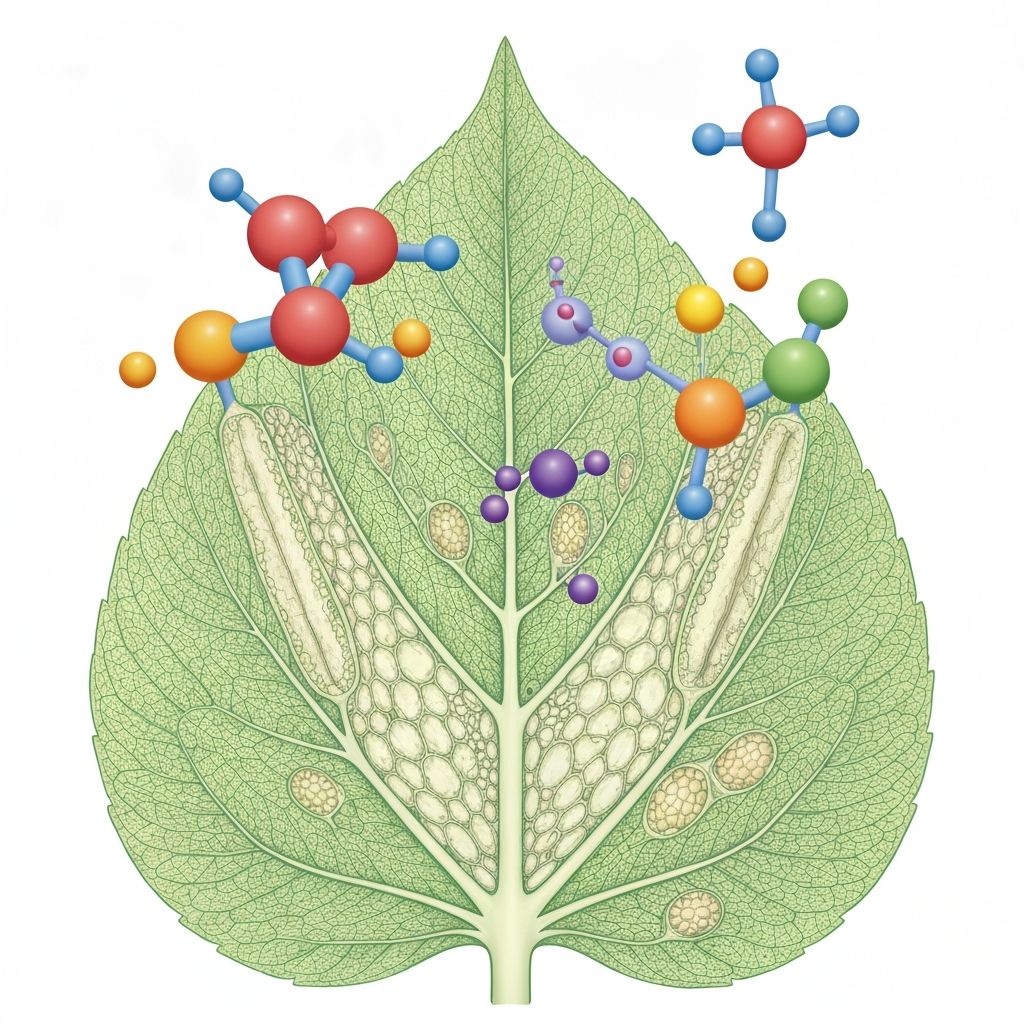
Plants produce thousands of bioactive compounds evolved for their own survival and adaptation. When consumed, many of these compounds influence human physiology in nuanced ways. Phytonutrients—including polyphenols, alkaloids, and terpenoids—interact with cellular receptors and enzyme systems.
The complexity of these interactions explains why isolated compound studies often yield different results than whole-plant studies. The synergistic effect of multiple compounds within a plant often produces more meaningful biological activity than any single component alone.
Both seasonal and daily cycles profoundly influence human physiology. Aligning wellness practices with natural rhythms enhances their effectiveness and sustainability:

Different seasons present different nutritional opportunities and challenges. Spring's fresh growth, summer's abundance, autumn's harvest richness, and winter's stored nutrients each offer distinct benefits. Traditional practices recognize and work with these cycles.
Daily rhythms govern hormone production, digestive efficiency, and nutrient absorption. Eating patterns aligned with natural wake-sleep cycles enhance metabolic efficiency. Botanical support integrated throughout the day respects these natural rhythms.
As men age, circadian rhythms shift, sleep architecture changes, and metabolic efficiency evolves. Recognizing these age-related adjustments allows for more thoughtful adaptation of nutritional and botanical practices to maintain well-being.
A fundamental principle of evidence-based wellness: individuals respond differently to the same interventions. Genetic background, existing health status, medications, lifestyle factors, and personal constitution all influence how botanical elements affect any given person.
Rather than seeking universal prescriptions, the scientific approach encourages observation of personal responses, consultation with healthcare providers when appropriate, and gradual, intentional adjustments. This personalized approach honors both science and individual autonomy.
For those seeking deeper understanding, scientific literature and educational resources provide comprehensive information: